

 0
0

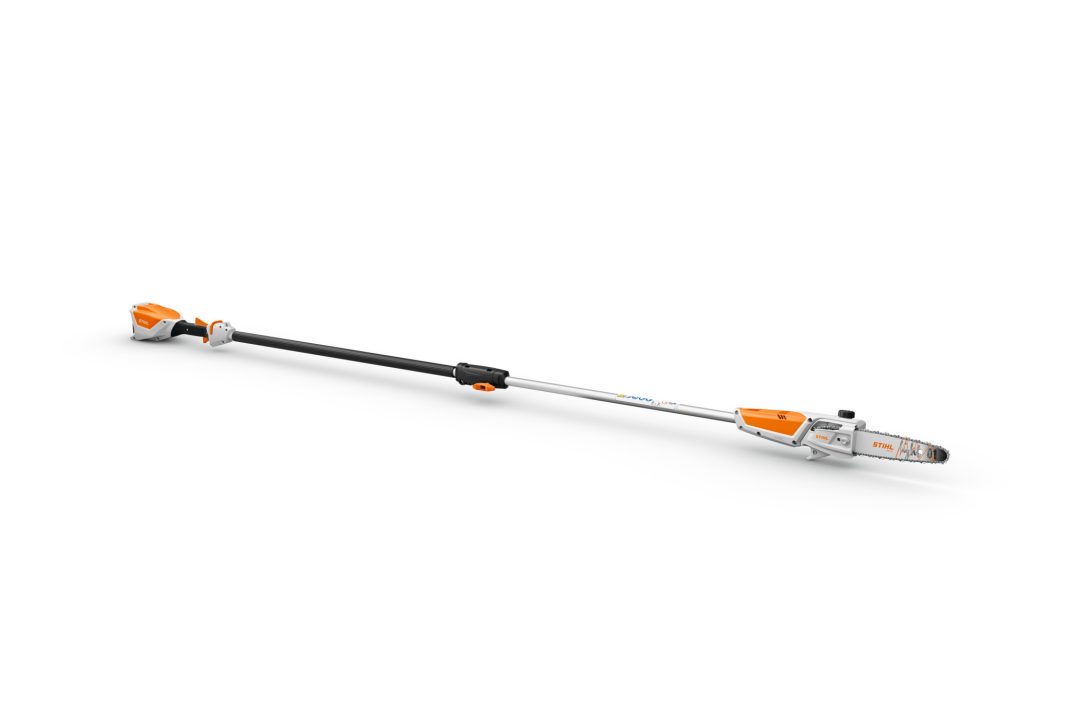


CORDLESS PRUNER HTA 50: VERY GOOD CUTTING PERFORMANCE WITH QUIET OPERATION
With the STIHL HTA 50 cordless pole pruner you can work efficiently in private property and garden maintenance , as it is very suitable for tree care . The robust pole pruner offers you efficient support, especially when pruning high branches , but also when caring for trees and removing dead wood . The compact cutting head means you always have a good view when cutting branches in treetops. The STIHL HTA 50 works with lithium-ion batteries from the STIHL AK system . You can even use it in noise-sensitive areas and don’t need hearing protection.
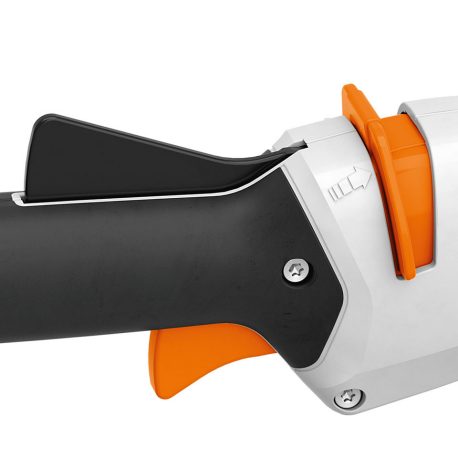
With the ergonomically optimized operating handle, you have all the controls of the STIHL HTA 50 comfortably in your hand. You can use the compact control unit with both your right and left hand . The entire handle area is covered with a comfortable grip tube so that you can hold the cordless pole pruner firmly in your hands. With the STIHL 1/4″ PM3 saw chain you can achieve high cutting performance.
Due to the low weight and the lateral chain tension for easy re-tensioning of the chain, you work comfortably, ergonomically and energy-saving . The oil tank cap on the semi-transparent oil tank can be easily opened for quick refilling. The robust branch hook on the compact cutting head can be used to grab and remove loose clippings. You can retrofit the STIHL HTA 50 cordless pole pruner with the optional STIHL Smart Connector 1.0.
The HTA 50 has a total length of 280 cm. Thanks to the divisible shaft, space-saving transport and easy storage are possible . With an optional shaft extension you can extend the shaft to 330 cm.
In our overview of STIHL battery runtimes and charging times you can see how long you can work with your STIHL HTA 50 cordless pole pruner and how long the battery used takes to charge.
- Single device without battery and without charger
- Lightweight cordless pole pruner for tree and woody care
- Limbing and treetop care in the private sector
- Intuitive control handle for use with the right or left hand
- Safe removal of loose branches thanks to robust branch hooks
- Divisible shaft makes transport easier
| Nominal Voltage | 36 V |
| Weight | 3.6 kg |
| Sound Power Level | 94 dB(A) |
| Vibration Value left | 0.5 m/s2 |
| Sound Pressure Level | 78 dB(A) |
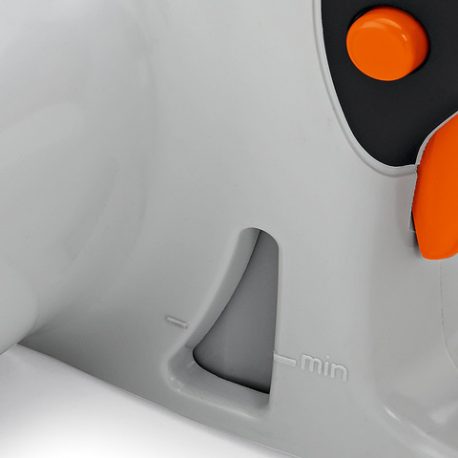
Transparent Oil Tank
MAKES LEVEL CHECKING EASIER. With the transparent oil tank you can easily and quickly check the level of the chain adhesive oil. This means you always know when you need to refill chain oil in order to be able to work efficiently over the long term.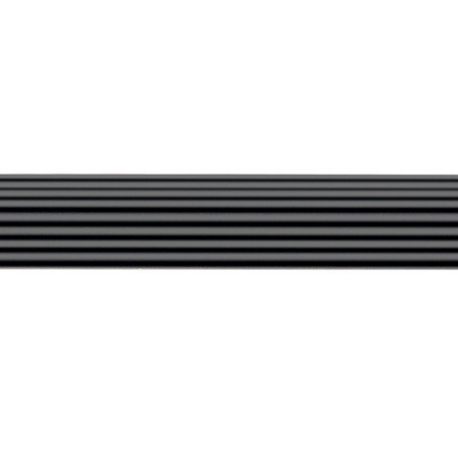
Comfortable Grip Hose
PROVIDES A FIRM HOLD. The shape of the comfortable grip tube ensures that your device sits securely and firmly in your hands throughout the entire grip area.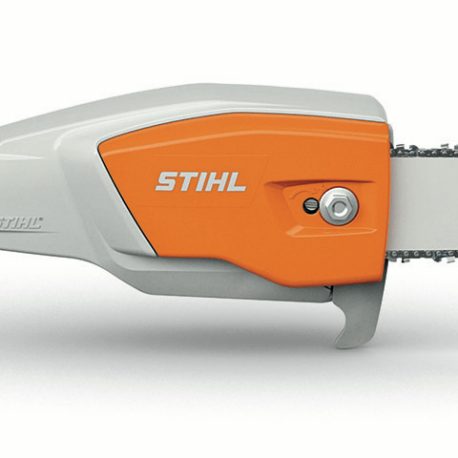
Branch Hook
REMOVE LOOSE CUTTINGS. Thanks to the sturdy branch hook, you can remove loose and cut branches from great heights.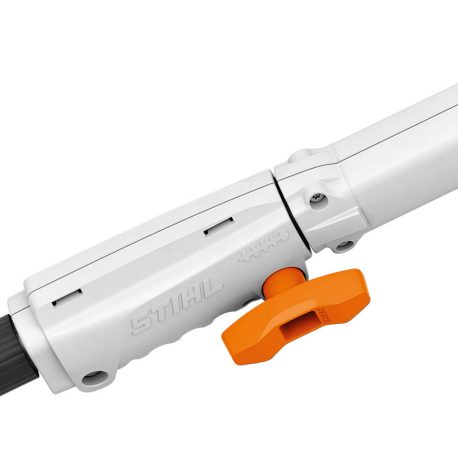
Divisable Shaft
FOR CONVENIENT TRANSPORT AND SPACE-SAVING STORAGE. Thanks to the separate shaft, you can quickly dissemble your device for easier transport and also store it to save space. You do not need any tools to divide the shaft.